Category: Blog Posts

  • Lavender: A Sleep Aid

    Lavender: A Sleep Aid

    Loading

    Author: Lorena Tran

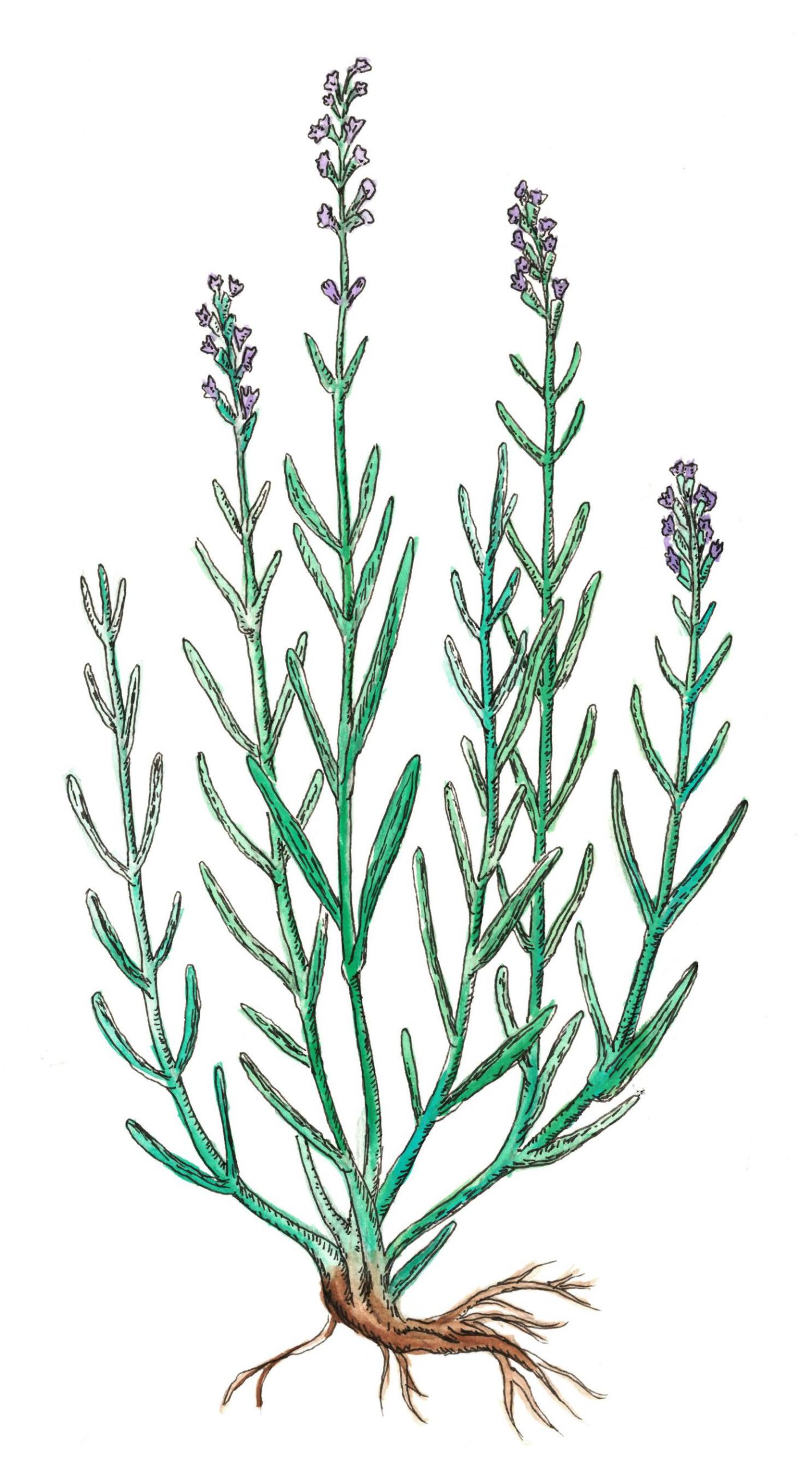
    Lavender’s ability to promote and enhance sleep has long been recognized by traditional medicine. In Europe, lavender-scented bath salts, teas, and laundry detergent are traditionally recommended for restless sleepers and those with difficulty falling asleep. In traditional Chinese medicine, lavender is said to relax the mind and relieve the body’s tension, which can aid stress and sleep problems[1].

    In contemporary times, several studies have investigated lavender as a treatment for insomnia. Aromatherapy, or exposure to diffused lavender oil in the air, was found to increase blood melatonin levels in adults over the age of 60. Melatonin regulates a person’s sleep and wake cycle, so this increase in melatonin levels indicates that lavender facilitates falling asleep and reduces sleep disorders. This is especially significant for older people, as insomnia becomes more prevalent with aging[2]. Smelling lavender essential oil was also found to increase sleep quality in patients with diabetes. Improved sleep is especially important for diabetics – it can lead to reduced blood sugar, which lessens diabetes symptoms[3].

    [1] Buchbauer G, Jirovetz L, Jäger W, Dietrich H, Plank C. Aromatherapy: evidence for sedative effects of the essential oil of lavender after inhalation. Zeitschrift fur Naturforschung C Journal of Biosciences. 1991 Nov-Dec;46(11-12):1067-72.

    [2] Velasco-Rodríguez R, Pérez-Hernández MG, Maturano-Melgoza JA, Hilerio-López ÁG, Monroy-Rojas A, Arana-Gómez B, Vásquez C. The effect of aromatherapy with lavender (Lavandula angustifolia) on serum melatonin levels. Complementary Therapies in Medicine. 2019 Dec;47:102208.

    [3] Nasiri Lari Z, Hajimonfarednejad M, Riasatian M, Abolhassanzadeh Z, Iraji A, Vojoud M, Heydari M, Shams M. Efficacy of inhaled Lavandula angustifolia Mill. Essential oil on sleep quality, quality of life and metabolic control in patients with diabetes mellitus type II and insomnia. Journal of Ethnopharmacology. 2020 Apr 6;251:112560.
  • Yarrow: A Wound Healer

    Yarrow: A Wound Healer

    Loading

    Author: Lorena Tran

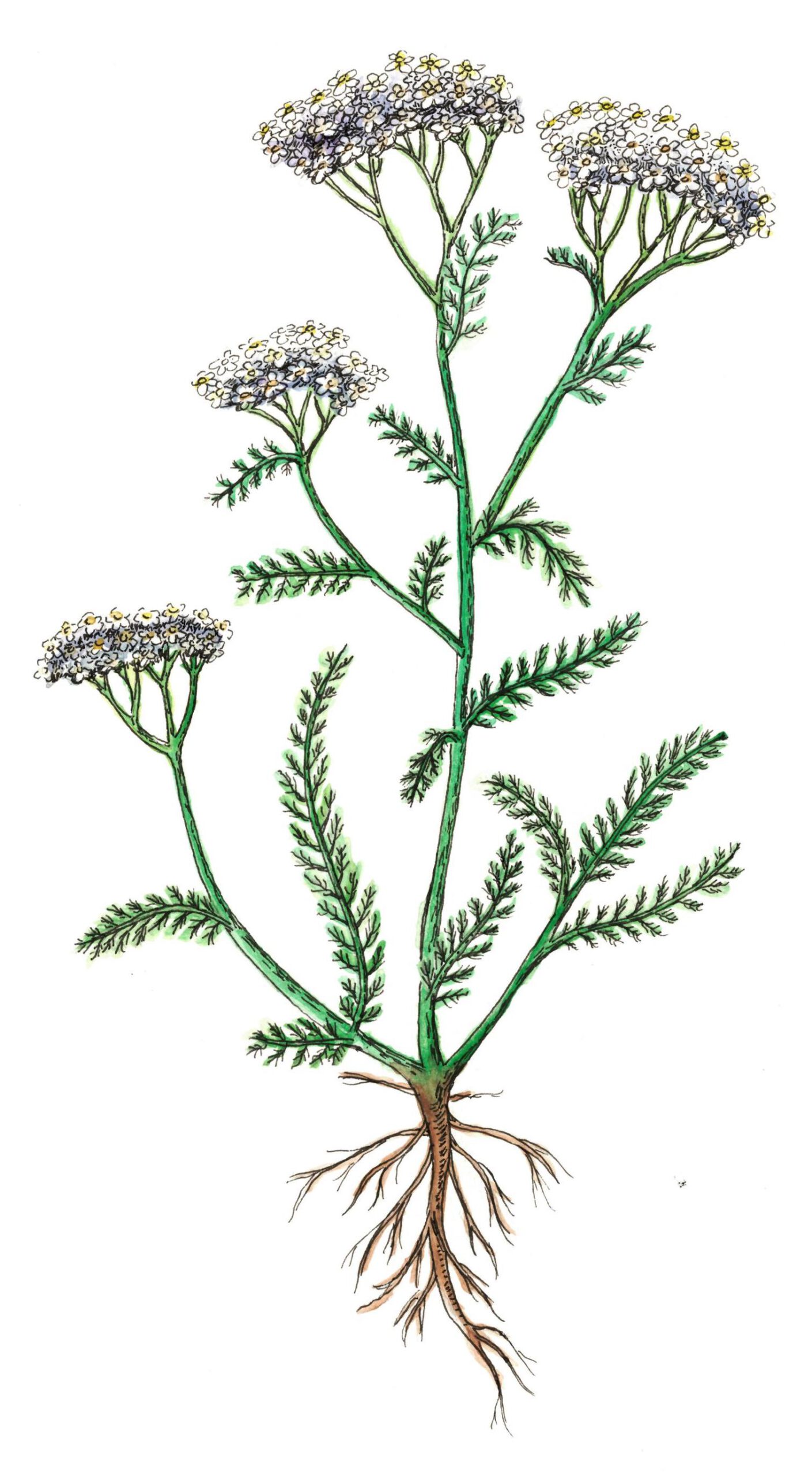
    Traditional medicines use yarrow to treat a variety of conditions, the most common being for healing wounds. In Hungarian traditional medicine, ointments made from yarrow leaves are used to treat burns and open wounds. European and Brazilian remedies use yarrow ointments and poultices to stop bleeding and treat skin rashes. Traditional Chinese medicine also treats wounds and bruising with yarrow, but additionally uses it for snakebites and varicose veins[1].

    Few large-scale studies have assessed yarrow’s medicinal properties. However, in smaller studies yarrow has been found to promote quicker cell and tissue growth, which explains its role as a wound healer in traditional cultures[2]. Yarrow also has anti-inflammatory properties, as it reduced swelling in women who had recently given birth as well as patients with mouth and throat inflammation[1].

    Sources:

    [1] Ali SI, Gopalakrishnan B, Venkatesalu V. Pharmacognosy, Phytochemistry and Pharmacological Properties of Achillea millefolium L.: A Review. Phytotherapy Research. 2017 Aug;31(8):1140-1161.

    [2] Medellín-Luna MF, Castañeda-Delgado JE, Martínez-Balderas VY, Cervantes-Villagrana AR. Medicinal Plant Extracts and Their Use As Wound Closure Inducing Agents. Journal of Medicinal Food. 2019 May;22(5):435-443.

  • Dandelion: A Detoxifier

    Dandelion: A Detoxifier

    Loading

    Author: Lorena Tran

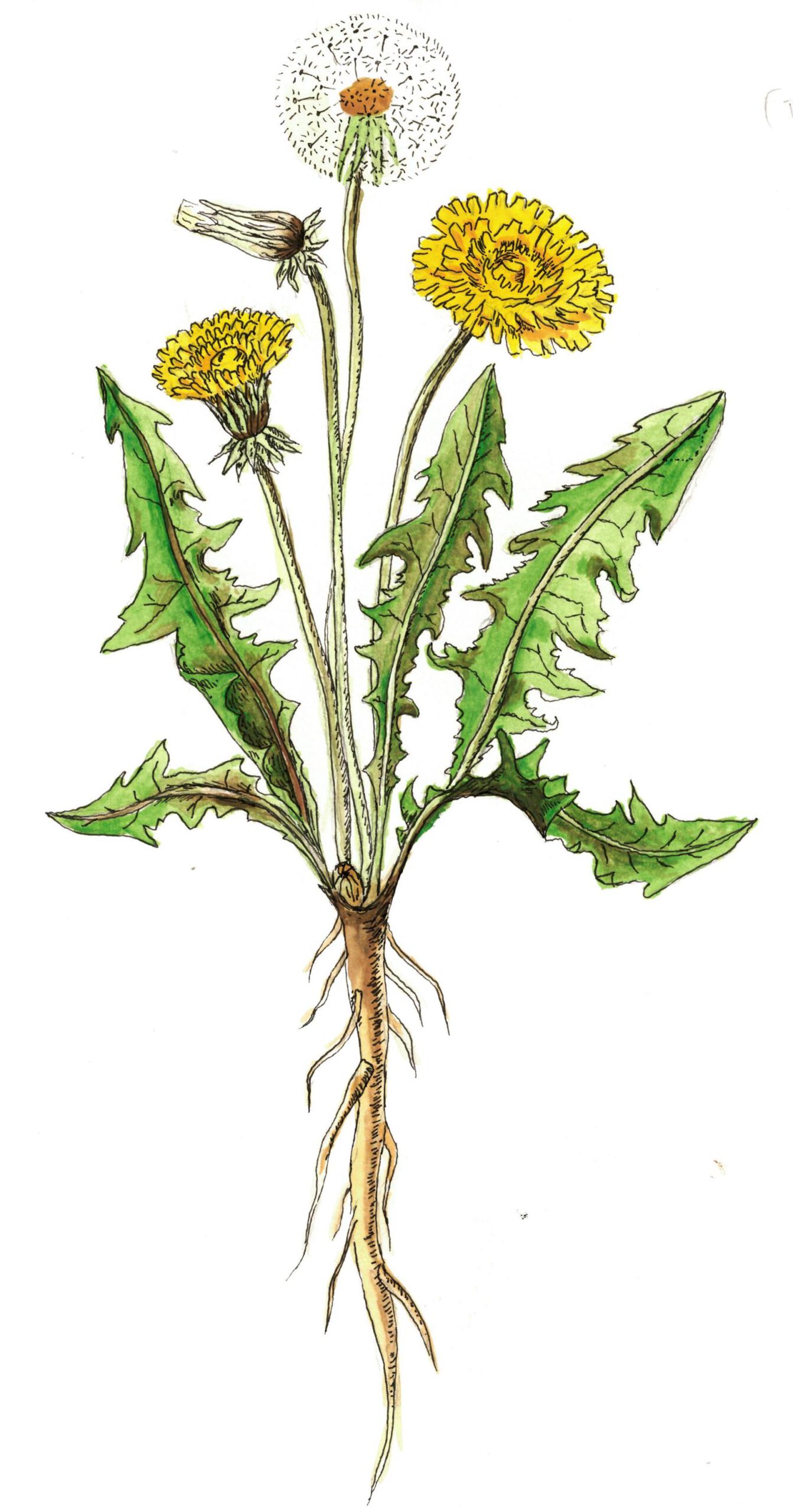
    The first documented use of dandelion’s medicinal properties was in the 1500s, when German physicians used mixtures of dandelion leaves and roots to treat liver problems[1]. Various cultures have used dandelion’s detoxifying properties in their traditional medicine. In traditional Chinese medicine, dandelion is used as a diuretic, or a substance that rids the body of excess salt and water by increasing urine production[2]. Turkish traditions also use dandelion as a laxative, while early Native American medicine used dandelion root extracts to treat indigestion[1]. So, dandelion’s abilities to detoxify the body’s liver and intestinal tract have been recognized for hundreds of years.

    However, modern biomedical research has only recently begun to investigate the dandelion’s medicinal properties. Recent research on dandelion leaf extract has supported the plant’s role in Chinese medicine as a diuretic, which suggests that dandelion could be used to treat high blood pressure[2]. Diuretics like dandelion remove excess water and salt from the blood, resulting in lower blood pressure. Researchers also found that one of dandelion’s active compounds – taraxasterol – prevents alcohol damage in the livers of mice. This finding could potentially assist in the development of protective treatments for liver damage due to alcoholism[3].

    Sources:

    [1] Schütz K, Carle R, Schieber A. Taraxacum–a review on its phytochemical and pharmacological profile. Journal of Ethnopharmacology. 2006 Oct 11;107(3):313-23.

    [2] Clare BA, Conroy RS, Spelman K. The diuretic effect in human subjects of an extract of Taraxacum officinale folium over a single day. Journal of Alternative and Complementary Medicine. 2009 Aug;15(8):929-34.

    [3] Zheng Y, Lei L, Liang S, Ai J, Deng X, Li YQ, Zhang TP, Pu SB, Ren YS. Protective Effect of Fresh/Dry Dandelion Extracts on APAP-Overdose-Induced Acute Liver Injury. Oxidative Medicine and Cellular Longevity. 2021 Nov 24.