Category: Blog Posts

  • St. John’s wort: A Natural Antidepressant

    St. John’s wort: A Natural Antidepressant

    Loading

    Author: Lorena Tran

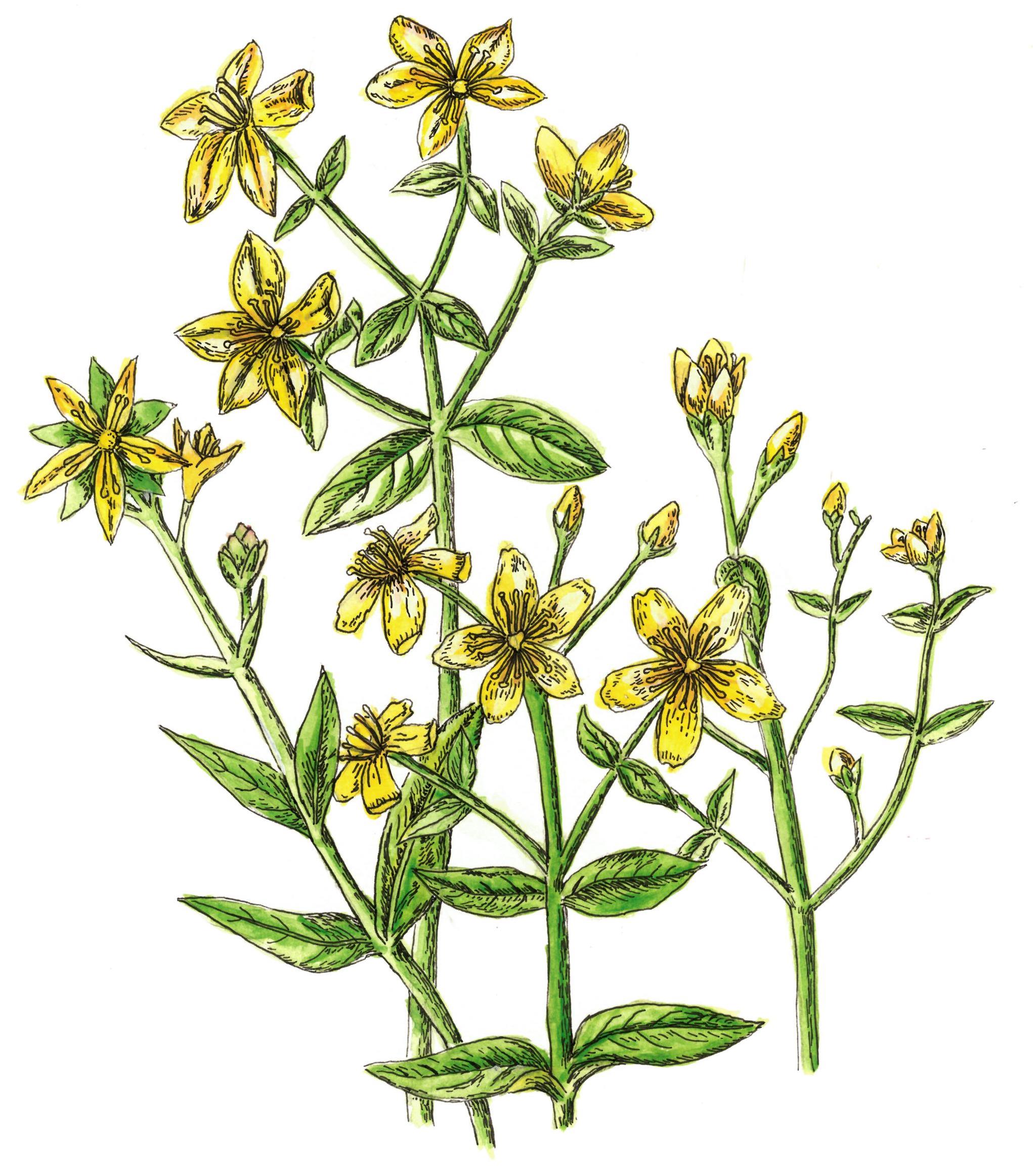
    Though currently found worldwide, St. John’s wort is native to Europe, which is where it was first used medicinally. In ancient Greece, St. John’s wort was used for burns and open wounds, as well as insomnia. Beyond physical impairments, St. John’s wort can be used to treat depression, the first documented instance of this being in 17th-century Germany[1]. Since then, it has become one of the most popular medicinal remedies for depression, with traditional Chinese Medicine and Ayurvedic medicine using St. John’s wort to calm the mind and lift the spirits[2].

    St. John’s wort’s function as an antidepressant has been extensively studied. Though the plant cannot treat severe depression, studies have found that it is effective in treating mild to moderately severe depression. Notably, researchers found that St. John’s wort extract treats depression just as effectively as conventional antidepressant medications, with fewer side effects of anxiety, headaches and loss of appetite[3]. Studies have also shown that St. John’s wort can treat Seasonal Affective Disorder, also known as seasonal depression[3, 4].

    [1] Gupta RK, Möller HJ. St. John’s Wort. An option for the primary care treatment of depressive patients? European Archives of Psychiatry and Clinical Neuroscience. 2003 Jun;253(3):140-8.

    [2] Ng QX, Venkatanarayanan N, Ho CY. Clinical use of Hypericum perforatum (St John’s wort) in depression: A meta-analysis. Journal of Affective Disorders. 2017 Mar 1;210:211-221.

    [3] Barnes J, Anderson LA, Phillipson JD. St John’s wort (Hypericum perforatum L.): a review of its chemistry, pharmacology and clinical properties. Journal of Pharmacy and Pharmacology. 2001 May;53(5):583-600.

    [4] Sarris J. Herbal medicines in the treatment of psychiatric disorders: 10-year updated review. Phytotherapy Research. 2018 Jul;32(7):1147-1162.
  • White Willow: A Natural Aspirin

    White Willow: A Natural Aspirin

    Loading

    Author: Lorena Tran

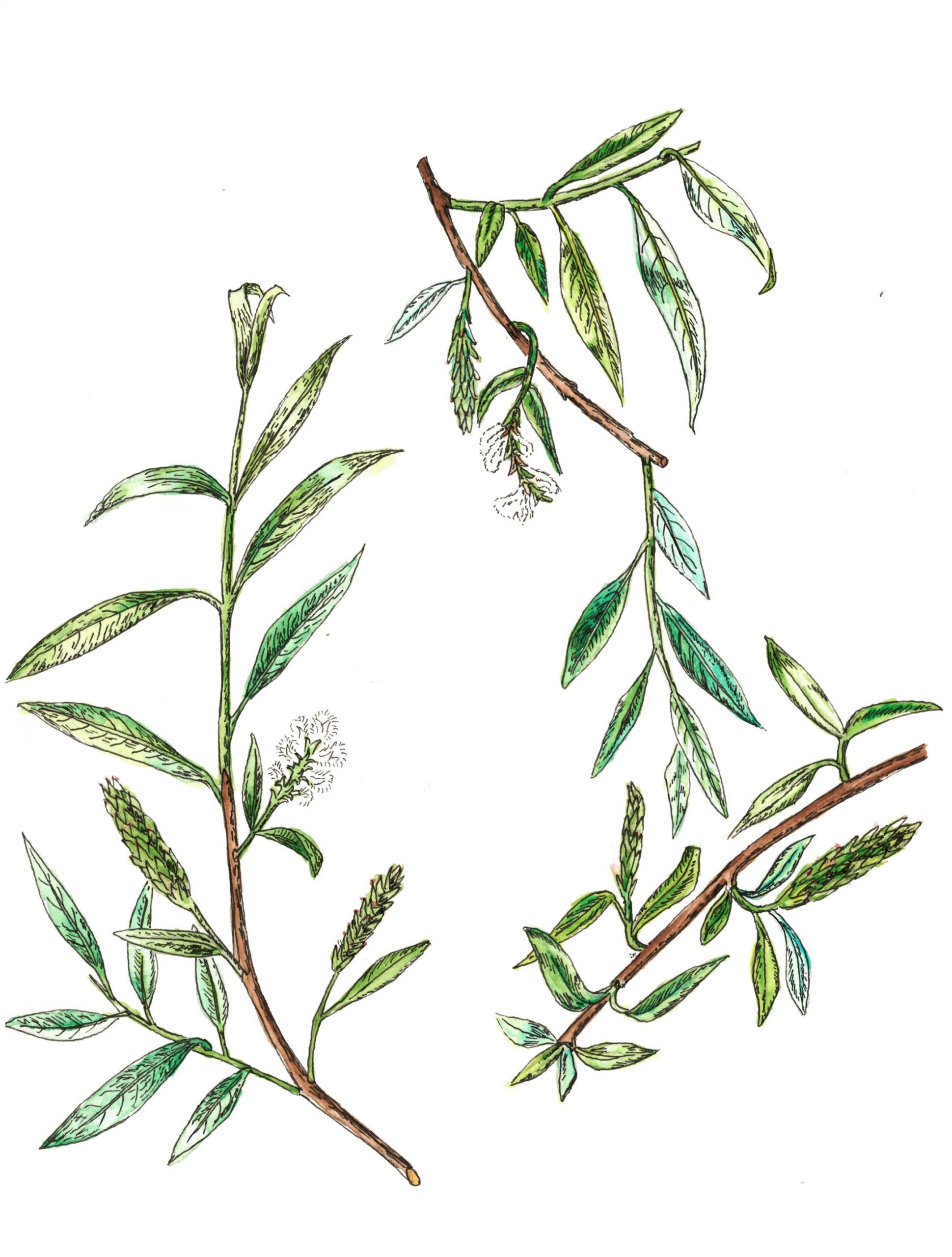
    Throughout history, willow has been commonly used as a pain reliever. Ancient Egyptians used extracts of willow leaves to treat nonspecific pains, while ancient Greeks used willow to lessen pains during childbirth[1]. Sumerians also used willow leaves to treat inflammatory and arthritic conditions. More recently, Native American tribes use willow to treat fevers, headaches, and arthritis[2].

    In the 1900s, the active compound of willow, salicin, was modified to create aspirin. Because salicin is very similar to the active compound in aspirin, willow bark powder or extract could potentially be substituted for aspirin to relieve mild pain[3]. This notion has not been thoroughly studied, but researchers found that willow bark extract can treat lower back pains, joint pains associated with arthritis, fever, and general body aches[2, 3].

    Sources:

    [1] Desborough MJR, Keeling DM. The aspirin story – from willow to wonder drug. British Journal of Haematology. 2017 Jun;177(5):674-683.

    [2] Montinari MR, Minelli S, De Caterina R. The first 3500 years of aspirin history from its roots – A concise summary. Vascular Pharmacology. 2019 Feb;113:1-8.

    [3] Shara M, Stohs SJ. Efficacy and Safety of White Willow Bark (Salix alba) Extracts. Phytotherapy Research. 2015 Aug;29(8):1112-6.

  • Chamomile: A Calmer

    Chamomile: A Calmer

    Loading

    Author: Lorena Tran

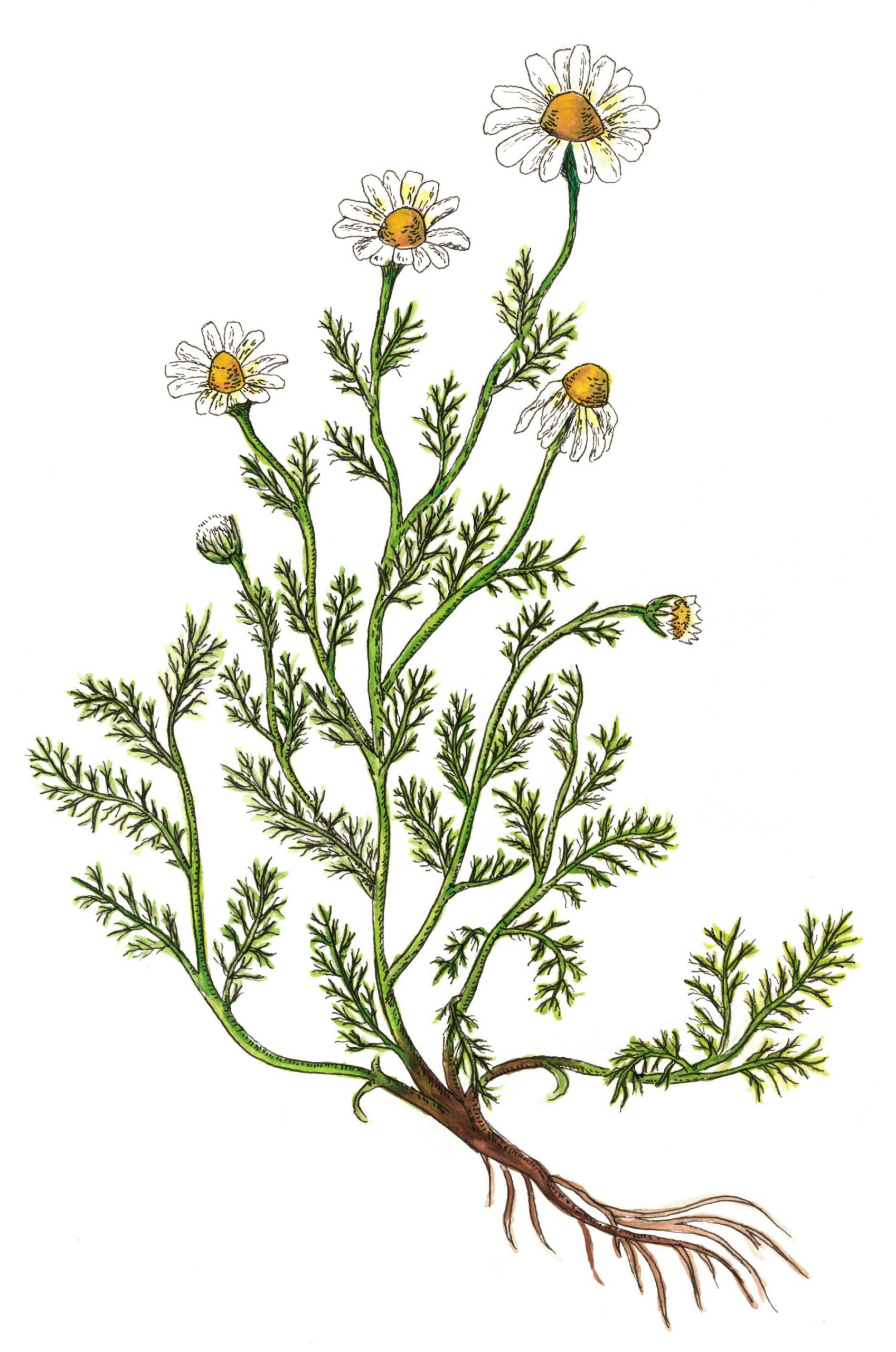
    Chamomile tea, which is made from dried chamomile flowers, was first used as a calming drink by the ancient Egyptians, Romans, and Greeks. Since then, the plant has been used in native traditions around the world to induce calm. Chamomile has also been used to treat muscle spasms and fever. In the Middle Ages, Europeans used chamomile essential oil for this, while African folk remedies use the chamomile flower[1].

    Research in modern times shows that chamomile’s calming properties have the potential to treat many conditions. Studies have found that chamomile reduces the physical and mental effects of Premenstrual Syndrome (PMS), a series of symptoms that commonly affect women during their periods. In particular, chamomile tea reduces stress and anxiety, as well as diminishing cramp-related pain[2]. In addition to PMS, studies suggest that chamomile could aid in treating mental health conditions. Chamomile extract capsules were found to decrease

    symptoms of General Anxiety Disorder[3] and improve mood[4], suggesting that chamomile may have antidepressant properties.

    Sources:

    [1] Das M. Chamomile: Medicinal, Biochemical, and Agricultural Aspects. CRC Press, 2015.

    [2] Khalesi ZB, Beiranvand SP, Bokaie M. Efficacy of Chamomile in the Treatment of Premenstrual Syndrome: A Systematic Review. Journal of Pharmacopuncture. 2019;22(4):204-209.

    [3] Sarris J. Herbal medicines in the treatment of psychiatric disorders: 10-year updated review. Phytotherapy Research. 2018 Jul;32(7):1147-1162.

    [4] Amsterdam JD, Li QS, Xie SX, Mao JJ. Putative Antidepressant Effect of Chamomile (Matricaria chamomilla L.) Oral Extract in Subjects with Comorbid Generalized Anxiety Disorder and Depression. Journal of Alternative and Complementary Medicine. 2020 Sep;26(9):813-819.